Speakers
Read full bio
Read full bio

Read full bio
Read full bio
Read full bio
Read full bio
Read full bio
Read full bio
Read full bio
Read full bio
Read full bio
Read full bio

Read full bio
Read full bio

Read full bio
Read full bio
Read full bio
Tuesday, October 6, 2026
8:30 - 10:00 AM
Registration
10:00 - 10:15 AM
Event Kickoff and Opening Remarks
10:15 - 11:15 AM
Don't Trust Your Eyes (or Your Ears): Surviving the AI Scam Revolution
Remember when spotting a phishing email was as easy as finding the misspelled words or the sketchy prince? Those days are gone. Today's attackers can use AI to write convincing emails, clone voices, create fake videos, and hold realistic conversations at scale. This session will explore how social engineering is evolving in the age of AI, separating hype from the threats people actually face every day. Through real-world examples, attendees will learn why even smart, experienced people get fooled, how attackers exploit trust, and the practical habits that help reduce risk at work and at home.
11:15 AM - 12:15 PM
When the Playbook Isn’t Enough: Leading Through Cyber Uncertainty
A practical, no-hype perspective on how leaders can navigate uncertainty with clarity and confidence. Chad will equip attendees with a decision-making lens that balances risk, resilience, and opportunity — while outlining what it takes to build an adaptive security culture that holds strong when the rules change.
12:15 - 1:00 PM
Lunch
1:00 - 1:50 PM
BREAKOUT
BREAKOUT
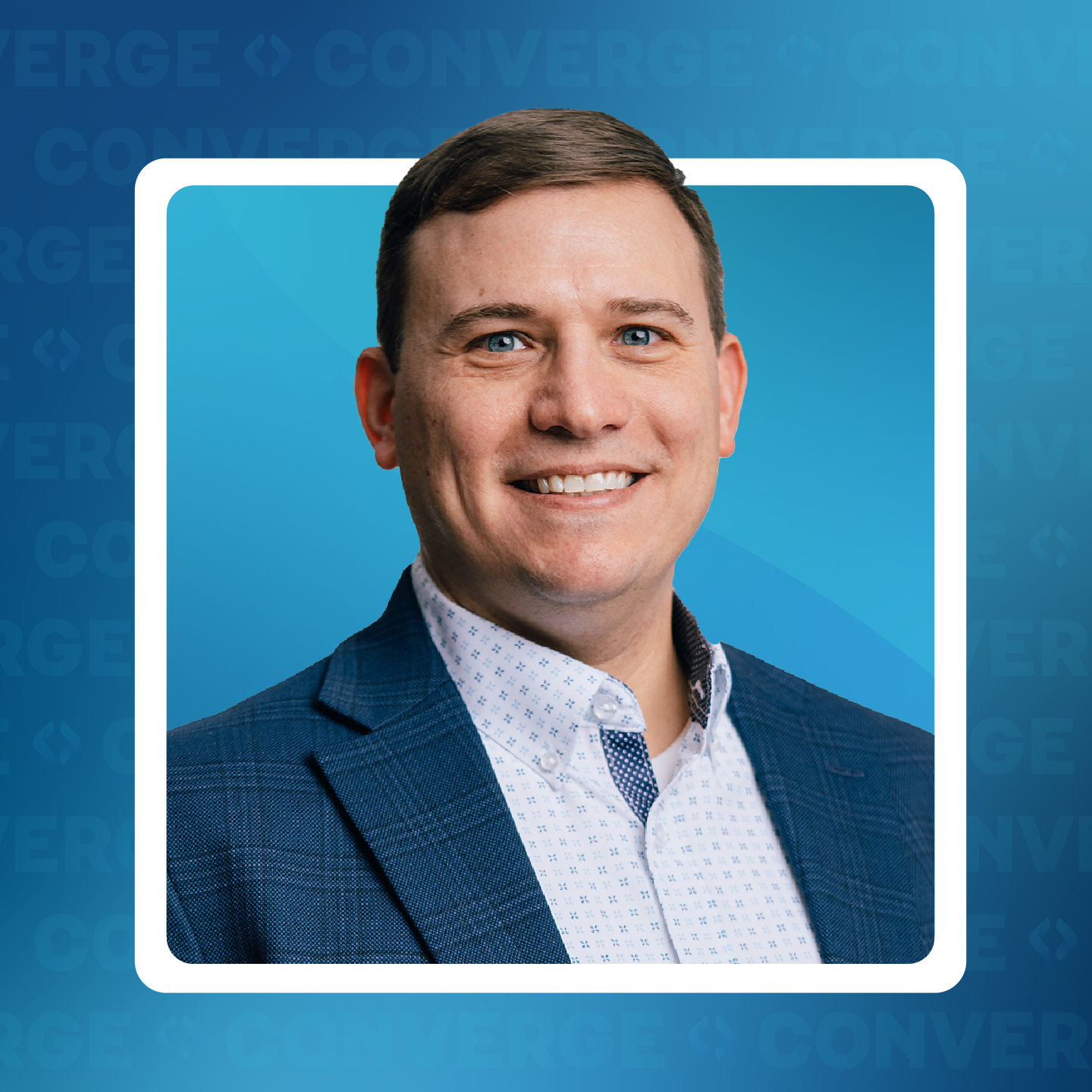
Risk Management That Works in the Real World
Interactive workshop grounded in more than two decades of helping organizations identify, understand, and act on cyber risk. Attendees will leave with clear, applicable insights they can use immediately to strengthen decision-making, improve resilience, and better align cybersecurity efforts with business outcomes.
1:00 - 1:50 PM
BREAKOUT
BREAKOUT
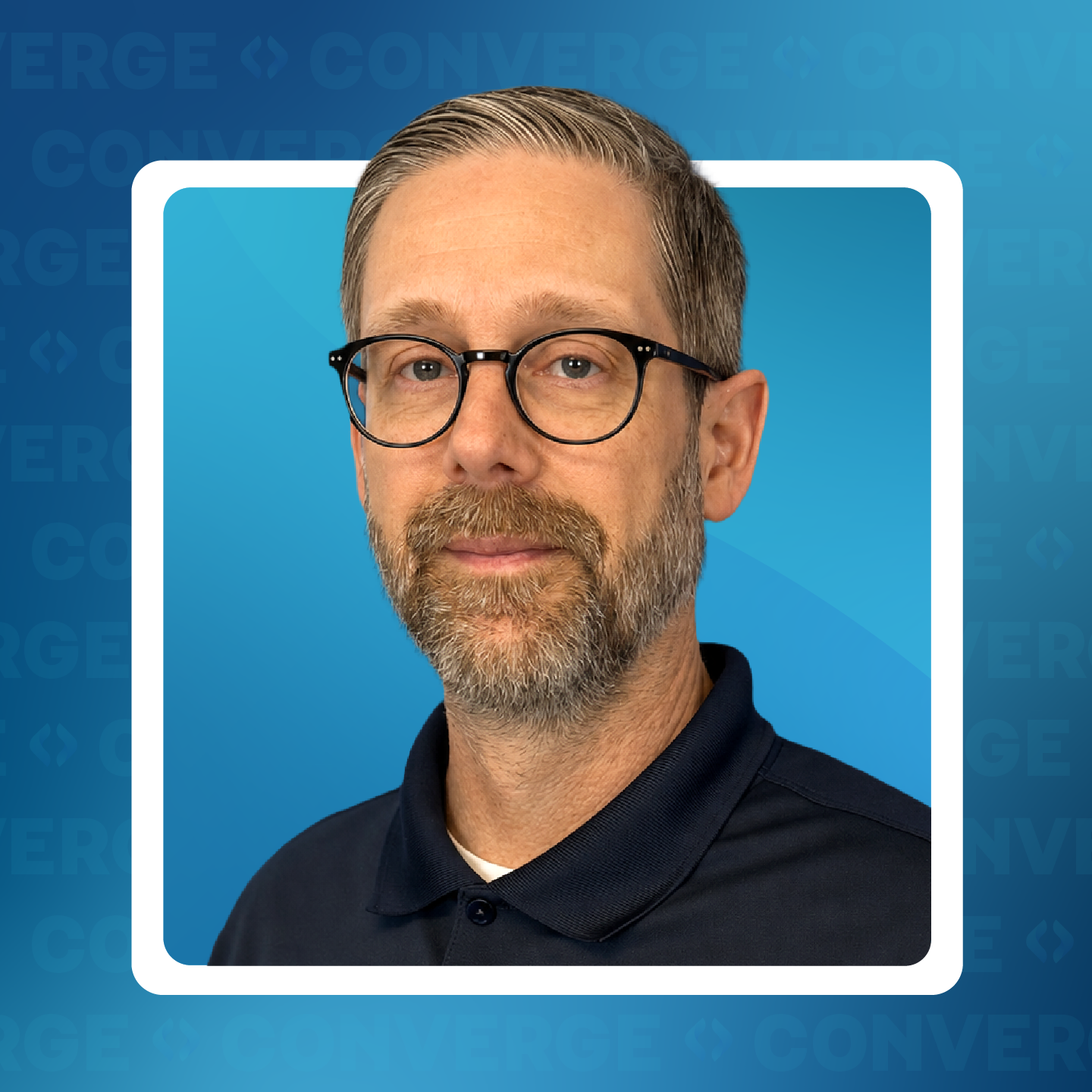
Doing More with Less Without Taking on More Risk
A practical, executive-level framework to help leaders make clearer, more confident decisions about the tools and systems they rely on every day. Attendees will walk away with simple, actionable questions to evaluate their current environment, reduce unnecessary complexity, and strengthen alignment across teams — without adding more tools or burden.
1:00 - 1:50 PM
BREAKOUT
BREAKOUT
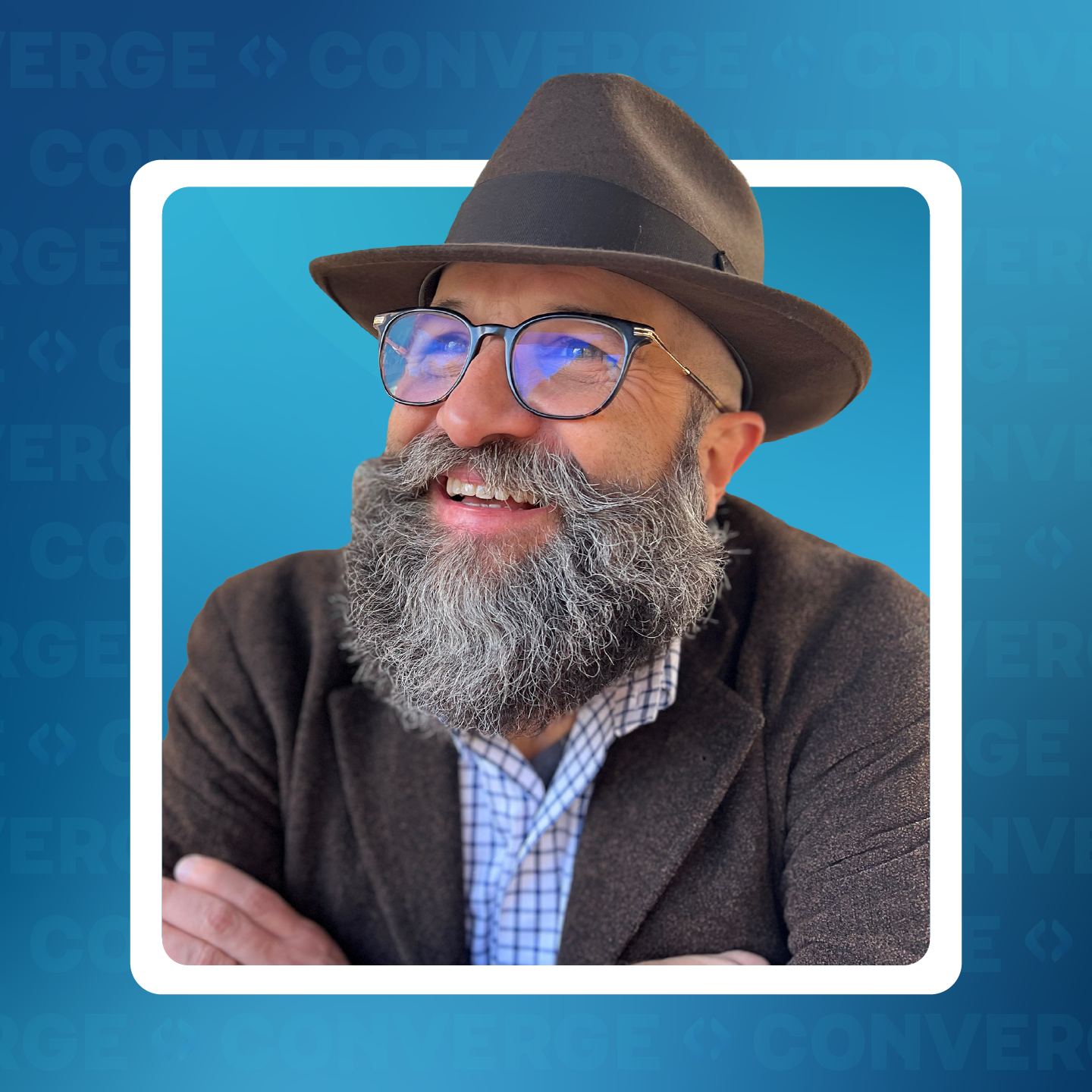
Spies Overhead: Building a Personal AI Command Center
Forget enterprise AI roadmaps, we'll tear down the harness and show how specialized subagents handle the dirty work. You'll leave with the architecture, the gotchas, and enough of the source to start building your own monitoring station.
2:00 - 3:00 PM
BREAKOUT
BREAKOUT
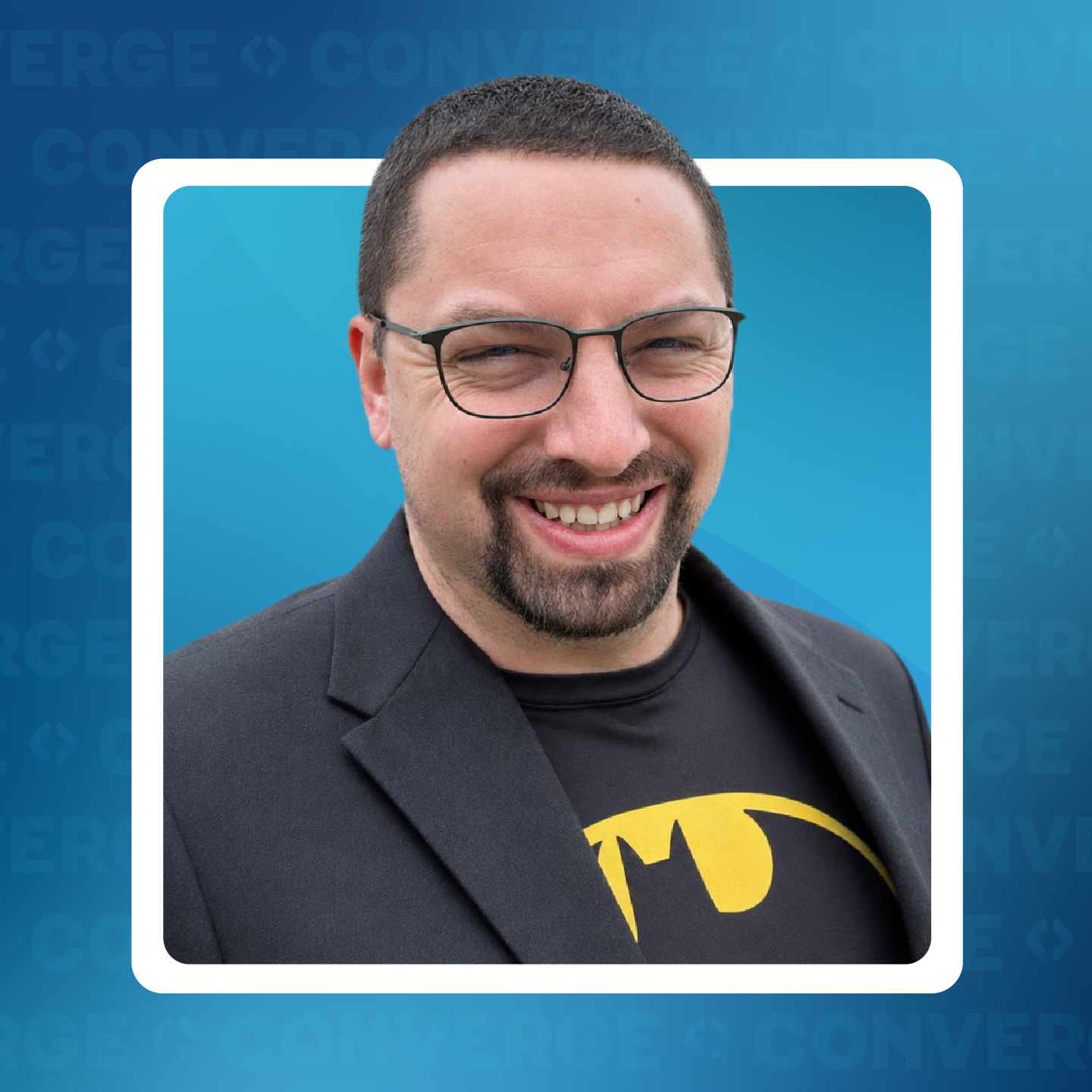
The Gap Between Basic and Denied
The 5% to 10% percent difference in premium between a basic and a comprehensive cyber policy is often the difference between a claim that gets paid and one that gets denied. This session shows business owners where those gaps hide: sublimits printed to read like full limits, funds-transfer verification you have to meet before a wire loss is covered, war and widespread-event carve-outs, and AI exclusions that appear quietly on renewals. Using a real school district ransomware claim as a case study, you'll leave able to read your own policy critically and know which questions to ask before you sign.
2:00 - 3:00 PM
BREAKOUT
BREAKOUT

M365 Security: What Strong Programs Get Right
The essential security controls and most common vulnerabilities, misconfigurations, and overlooked risks as seen in the field. Attendees will walk away with a prioritized roadmap to strengthen their M365 security posture.
2:00 - 3:00 PM
BREAKOUT
BREAKOUT
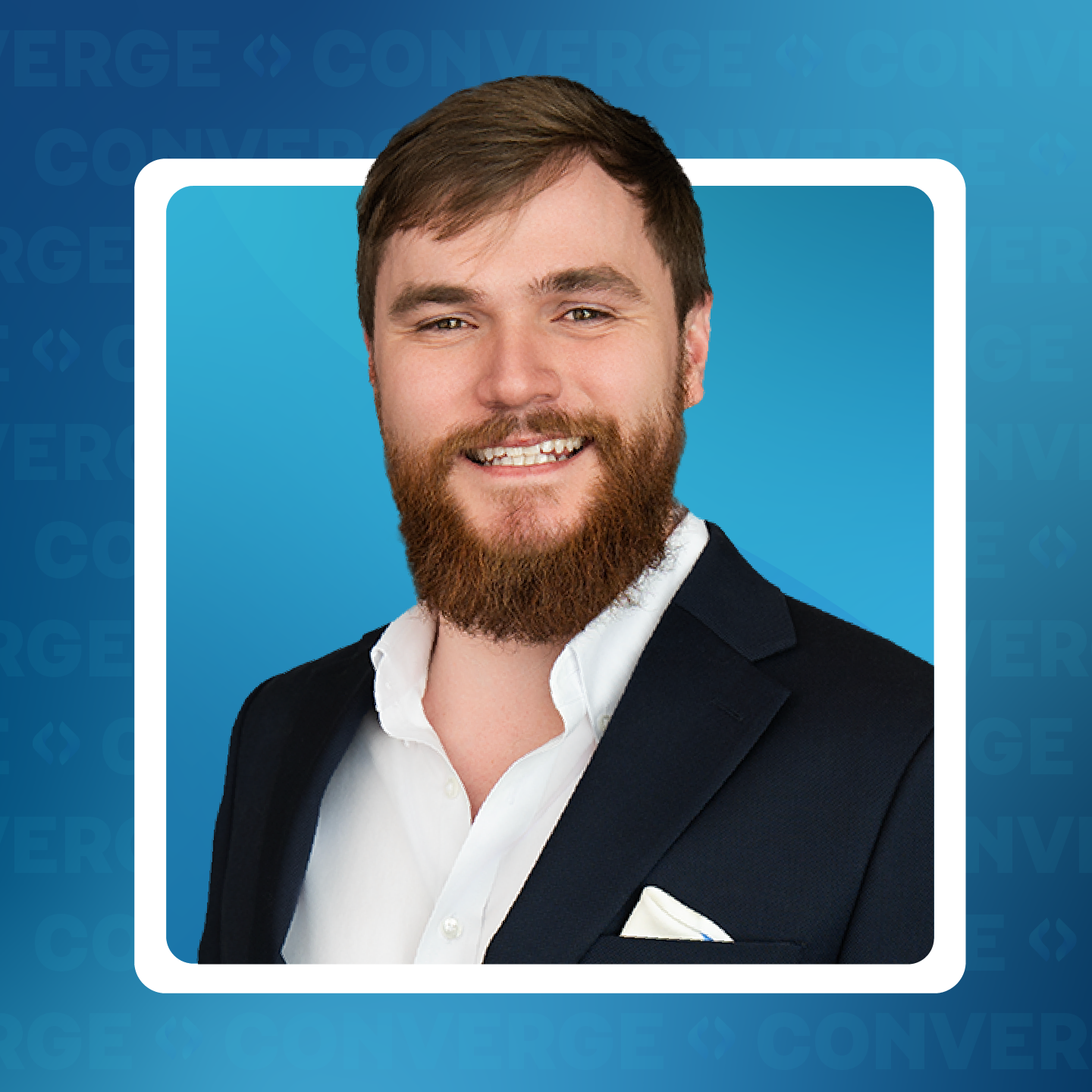
Your Next Attacker Won't Be Human
Live, agent-assisted assessment. You'll see what's getting automated, where agents still walk into walls, and what it means for the detection windows your team is working with.
3:00 - 3:30 PM
Coffee Break
3:30 - 4:20 PM
BREAKOUT
BREAKOUT
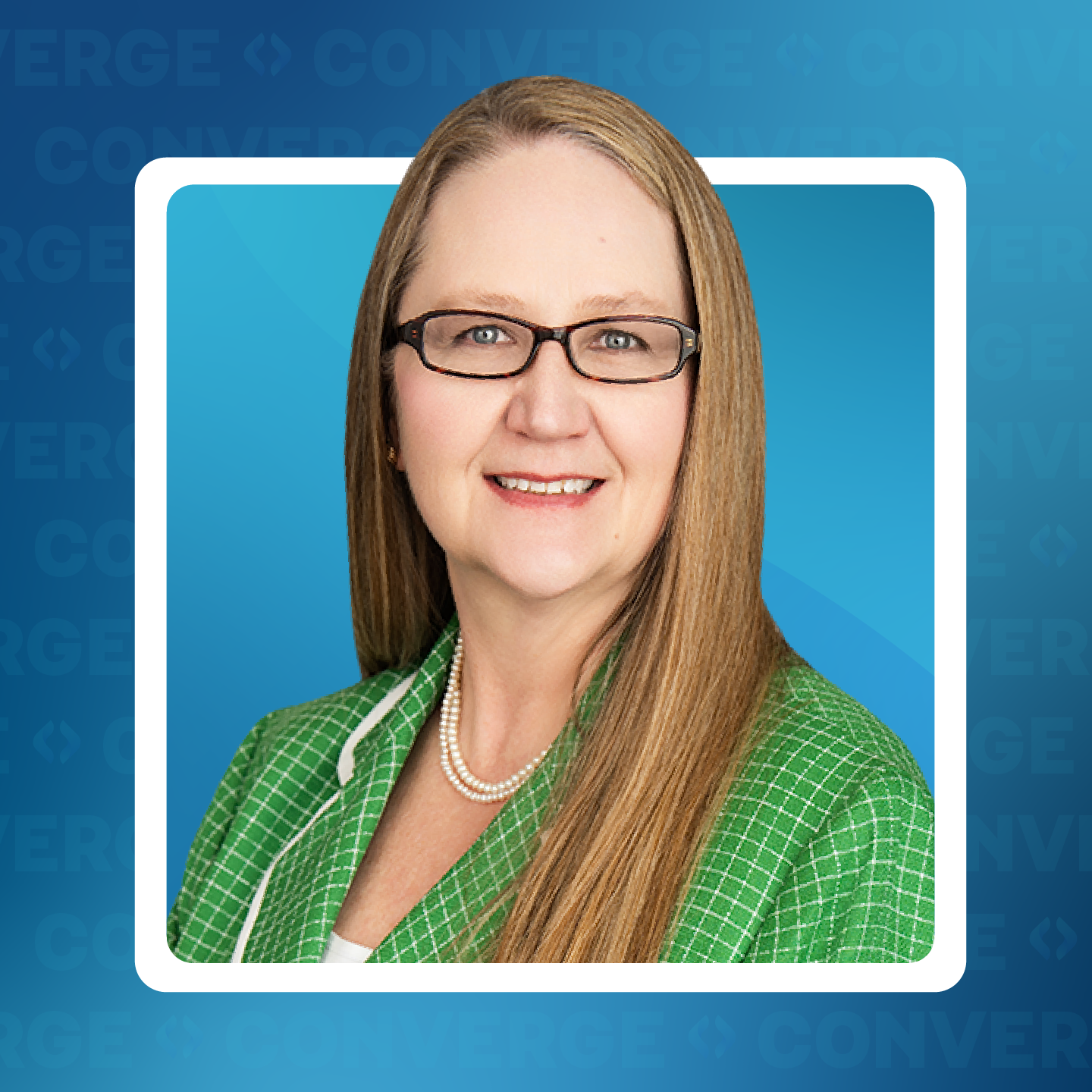
Trust but Verify: Exposing Hidden Vendor Risk
How to cut through the ambiguity, identify risks, and ask the critical questions that reveal what’s really happening behind the scenes.
3:30 - 4:20 PM
BREAKOUT
BREAKOUT
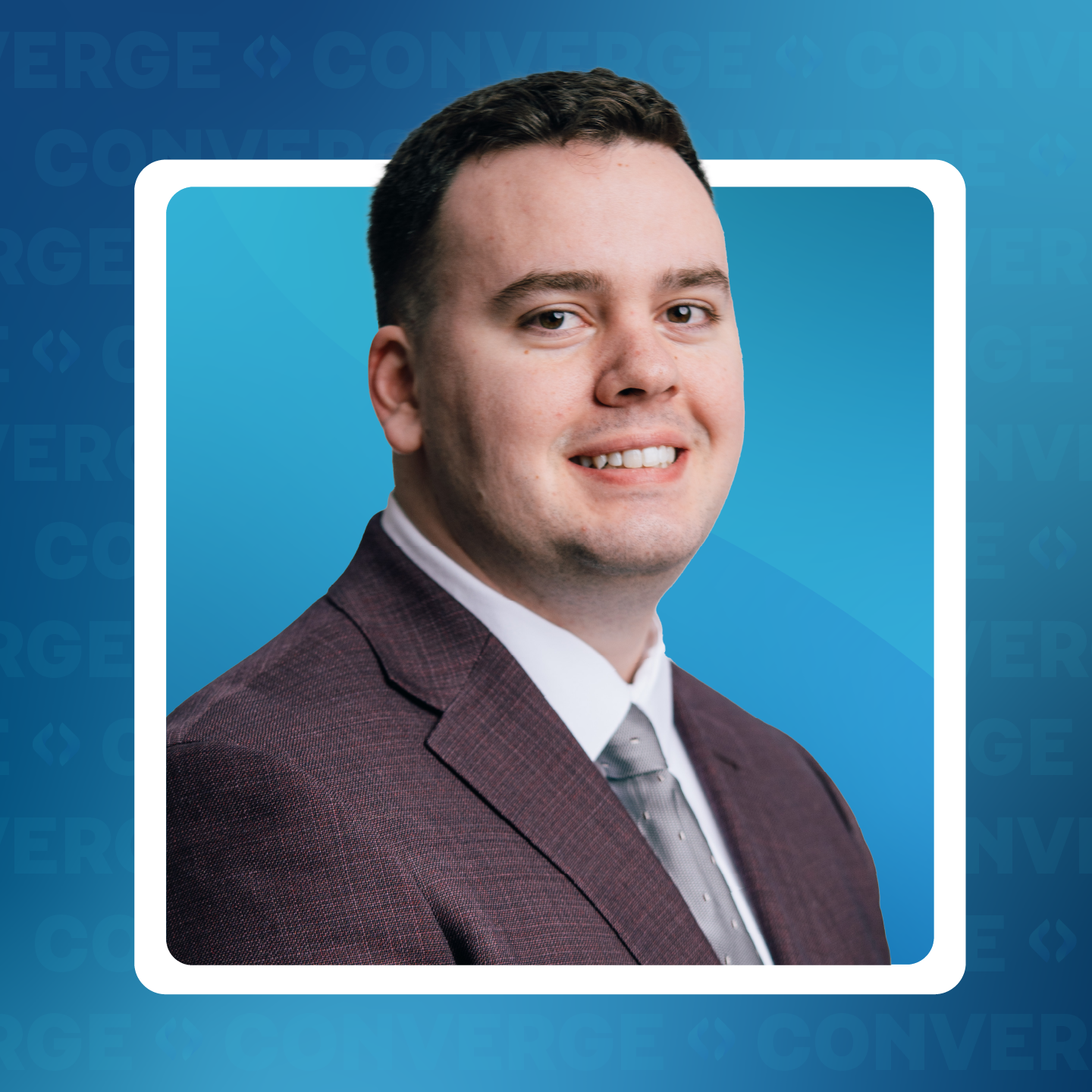
Go Phish: Crafting Real-World Scenarios to Train Your Workforce
What makes phishing convincing? How do attackers exploit trust and urgency? How do I turn those insights into more effective awareness training that drives measurable behavior change?
3:30 - 4:20 PM
BREAKOUT
BREAKOUT
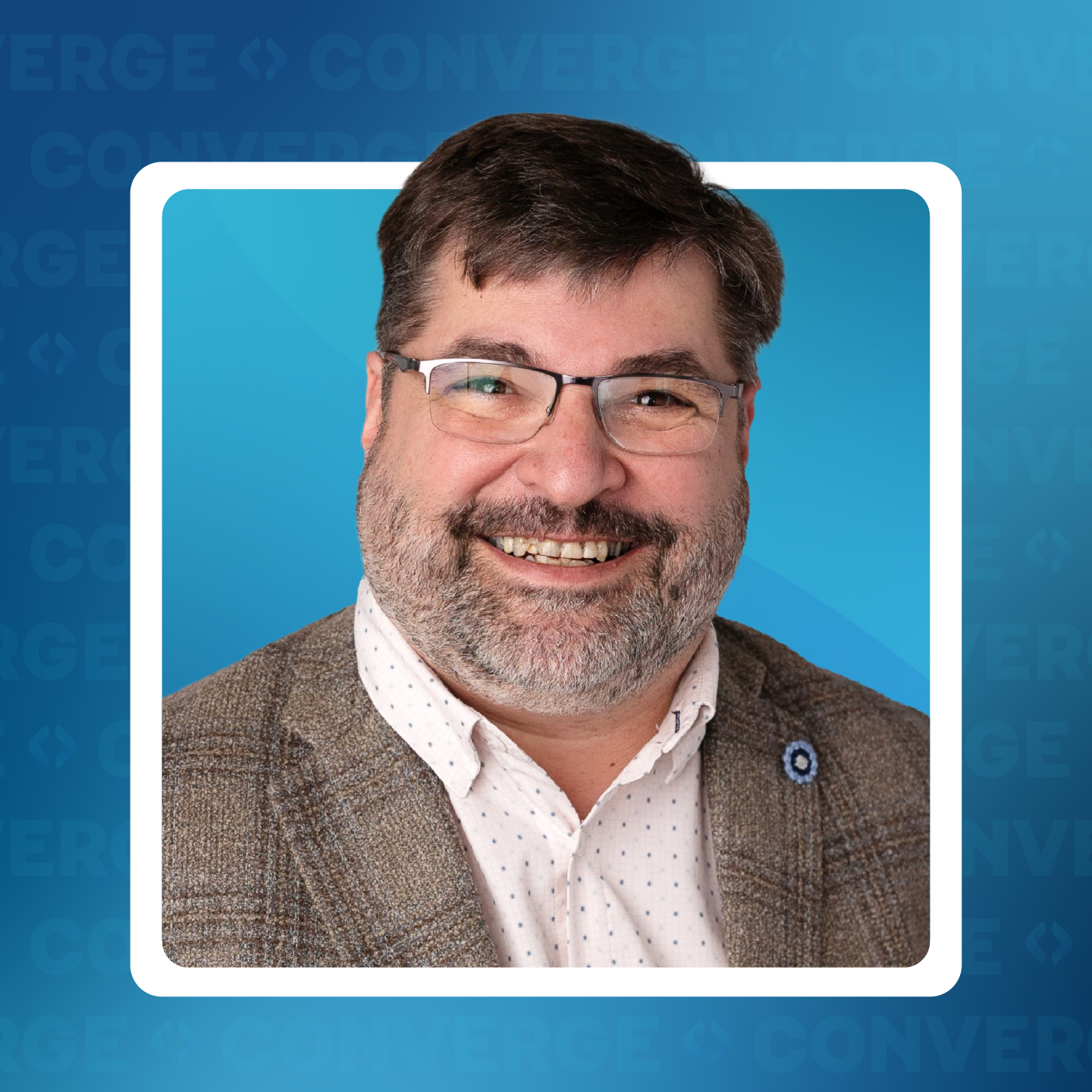
The AI Lawnmower and what the Dog Saw
This session explores what happens when technology does exactly what it was told, not what everyone assumed it would do. This is not about chasing AI buzzwords or building a 400-page disaster recovery plan. It is about helping leaders take back their time.
4:30 - 5:30 PM
The Human Firewall: Turning Employees Into Your Strongest Defense
We'll challenge conventional approaches and explore what it actually takes to create a culture where security is owned at every level of the organization, so it becomes not just a priority but a natural part of how your organization operates.
6:00 - 7:00 PM
Reception
7:00 - 9:00 PM
Dinner
Wednesday, October 7, 2026
7:30 - 9:00 AM
Registration and Breakfast
9:00 - 9:15 AM
Kickoff and Opening Remarks
9:15 - 10:45 AM
Panel Discussion: Who Will Build the Future?
Cybersecurity and AI are evolving faster than ever, but technology isn't the greatest challenge facing financial institutions. Talent is. As demand for cyber and AI expertise continues to outpace supply, organizations must rethink how they recruit, develop, and retain the next generation of leaders. This thought-provoking panel brings together university educators, banking school faculty, industry practitioners, and banking executives to explore a critical question: What is the best path to building cybersecurity and AI expertise? From traditional degree programs and specialized banking schools to workforce development, certifications, and continuous learning, panelists will challenge conventional thinking and share perspectives on what prepares professionals to succeed. 

Panelists
11:00 - 11:50 AM
BREAKOUT
BREAKOUT
Lessons from Y2K to AI: What 35 Years of Technology Risk Supervision Taught Me
A compelling narrative about how the nature of technology risk has—and hasn't—changed, and what timeless principles should guide community financial institutions as they face the next wave: AI-driven threats.
11:00 - 11:50 AM
BREAKOUT
BREAKOUT
The Security Leader's Briefing
The technologies may change. The threats certainly do. But the leadership challenges facing today's CIOs remain remarkably consistent. In this exclusive one-on-one conversation, Jon Waldman sits down with Marc Spellman to unpack a career that has spanned financial services, aerospace, cybersecurity, and physical security. Together, they'll explore how executive leaders make security decisions, earn organizational buy-in, manage emerging technology risks, and prepare their organizations for what's next. This session offers a rare opportunity to hear directly from a seasoned CIO about what matters most when security, business strategy, and leadership intersect.
12:00 - 1:00 PM
Lunch
1:00 - 1:50 PM
BREAKOUT
BREAKOUT
Scaling Governance Without Scaling Headcount
As regulatory expectations expand and cybersecurity demands grow more complex, many organizations are still relying on spreadsheets, email, and other manual processes to manage critical risk and compliance activities. For many teams, this makes it difficult to confidently answer a simple question: Where do we stand today? In this session, we’ll explore why manual processes persist, the hidden risks they introduce, and how leading organizations are evolving toward more integrated, scalable approaches.
1:00 - 1:50 PM
BREAKOUT
BREAKOUT
Examiners, AI, and the Questions You Haven't Been Asked Yet
Learn how examiner expectations are evolving. From governance and risk management to AI oversight and emerging technologies, you'll leave with practical insights to help prepare your institution for what's coming next — not just what exams looked like yesterday.
1:00 - 1:50 PM
BREAKOUT
BREAKOUT
Build It, Buy It, or Kill It? Making Smarter AI Decisions
A session on three real internal projects: one that paid off, one where buying would have been smarter, and one that got killed. No hype, no roadmap slides. Just an honest read from someone who builds these systems for a living.
2:00 - 2:50 PM
BREAKOUT
BREAKOUT
Rethinking Vendor Management for What's Next
What does effective vendor management look like in 2026? Leave with a clearer, more modern approach to managing third-party risk that aligns with both business objectives and cybersecurity realities.
2:00 - 2:50 PM
BREAKOUT
BREAKOUT
Top 10 Controls to Keep Us Out of Your Network
In this practical, in-the-trenches session we'll draw from real-world penetration testing and red team engagements to break down the controls that make the biggest difference when it matters most.
2:00 - 2:50 PM
BREAKOUT
BREAKOUT
Your CEO Didn't Call: The Rise of AI-Powered Fraud
Cut through the hype to reveal what’s actually happening in the field and how attackers are exploiting these technologies to deceive employees, bypass controls, and accelerate fraud.
2:50 - 3:15 PM
Coffee Break
3:15 - 4:30 PM

The Solution to the Scampocalypse? More Scams. (Seriously.)
Traditional awareness training teaches people what to look for. Cognitive defense requires teaching them how adversaries think. In this interactive workshop, Brian Brushwood demonstrates Wolfmasking, a supervised deceptive role-play methodology that transforms high-risk "always-clicking" employees into people who can think like social engineers, without becoming them. Built around the deceptively simple R.E.A.D. teaching method and validated in a Clemson University pilot, the program goes beyond theory. Attendees will experience Wolfmasking firsthand and leave with a practical framework for building cognitive resilience in hours, not weeks.
4:30 - 5:00 PM
Conference Wrap-Up
We wrap up Converge 2026 with awards, key takeaways, and a look ahead at 2027.

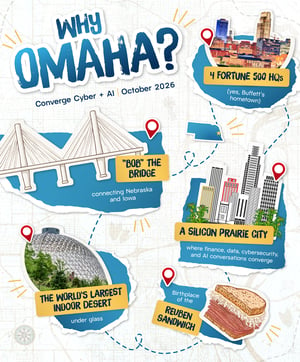
Why Omaha?
Omaha brings together the elements that matter for Converge Cyber + AI: connectivity, innovation, and accessibility. The city is home to four Fortune 500 headquarters and a growing network ecosystem with more than 40 providers and 60 carriers.
Just beyond the conference, attendees will find a walkable downtown, the historic Old Market district, and attractions like the Henry Doorly Zoo and Aquarium. It is a setting designed for both productive conversations and meaningful connections.